🎳 Why Bowling Pins Matter More Than You Think
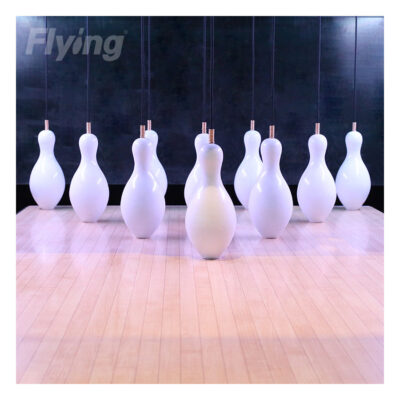
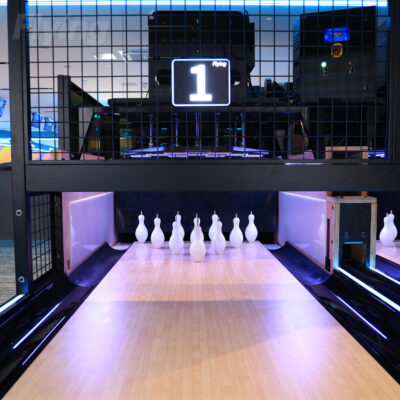
Bowling pins may look simple, but they are precision-engineered for balance, durability, and sound quality. Their material, coating, and construction directly affect how the ball reacts, how the pins scatter, and even how enjoyable the game feels.
For alley owners and operators, selecting the right pin type can also influence maintenance budgets and noise control — two critical elements for a successful bowling center.
🌲 Traditional Wooden Pins
Wooden bowling pins remain the industry’s nostalgic favorite, known for their distinctive crack sound and authentic bounce. They’re typically made from hard maple wood, turned on lathes, and coated with plastic or urethane finishes to extend lifespan.
Advantages:
Classic sound that players associate with professional bowling.
Natural rebound and ball deflection characteristics.
Easily refinished to restore shine and shape.
Disadvantages:
Higher maintenance costs.
Susceptible to humidity and impact dents.
Require frequent resurfacing or replacement in high-traffic centers.
For certified wooden models built to USBC and WTBA standards, visit our Bowling Pin Manufacturer page to explore professional-grade options.
🧱 Synthetic Pins: Modern Efficiency and Durability
As modern bowling centers expand, synthetic pins have become increasingly popular. These pins are constructed from composite cores and resin shells, making them lighter, quieter, and more consistent.
Advantages:
Up to 30% longer lifespan compared to wooden pins.
Uniform weight and balance across sets.
Reduced maintenance needs — no sanding or refinishing required.
Lower acoustic output, ideal for family and commercial venues.
Disadvantages:
Slightly different pin action and sound profile.
May require recalibration of pinsetters for optimal performance.
Synthetic models are perfect for centers prioritizing efficiency and sound control without sacrificing game authenticity.
🔇 Noise Mitigation in Bowling Alleys
Noise control has become one of the top concerns for entertainment centers and hotels offering bowling facilities. A single lane can generate sound peaks of 80–90 dB — mainly from pin impact and ball return systems.
To reduce this:
Choose synthetic pins or urethane-coated wooden pins with dampening properties.
Install acoustic barriers behind the pin deck and machine area.
Use rubber vibration pads under pinsetters to absorb impact.
Maintain consistent oil patterns to prevent uneven ball strikes.
Combined, these measures can lower sound levels by up to 25–30%, creating a more comfortable and premium atmosphere.
⚙️ Weight, Balance, and Certification
According to international standards, a regulation pin must weigh between 1.53–1.64 kg (3.36–3.62 lbs) and measure 38 cm (15 inches) in height.
Pin construction typically includes:
Core: Solid maple or synthetic composite for stability.
Shell: High-gloss plastic coating for rebound and durability.
Neck & Base: Reinforced zones to withstand thousands of impacts.
To maintain fair play, all certified pins undergo balance testing and pin action evaluation, ensuring consistent pinfall regardless of brand or batch.
🧩 Maintenance and Replacement Strategy
For wooden pins, resurfacing every 6–12 months helps maintain shape and scoring accuracy. Synthetic pins, by contrast, can last 3–5 years with simple surface cleaning.
Always rotate pins evenly between lanes to distribute wear and maintain scoring uniformity. Tracking impact cycles digitally (via scoring system integration) can also help plan timely replacements.
🏭 The Business Perspective
Pin selection affects your bottom line:
Wooden pins attract competitive players and deliver a traditional atmosphere.
Synthetic pins reduce maintenance costs and lower acoustic stress.
Partnering with an experienced bowling equipment supplier allows you to balance aesthetics, durability, and certification compliance across your entire lane system — ensuring long-term ROI.
To explore CE-certified full-lane packages and noise-optimized components, visit the Bowling Equipment Manufacturer homepage for complete solutions.
✅ Conclusion
Choosing between wood and synthetic bowling pins depends on your venue’s goals — whether it’s preserving tradition or embracing modern efficiency.
Both materials perform exceptionally when sourced from certified suppliers who ensure weight precision, impact balance, and safety compliance.
By investing in premium pins from a professional bowling pin manufacturer, you guarantee not only consistent scoring and durability but also a quieter, smoother experience for every player.