🎳 Why the Debate Still Matters
Even as modern bowling centers continue to evolve, one question remains constant: Should you choose synthetic or wooden lanes?
Both materials deliver unique performance qualities, aesthetics, and long-term costs — making the decision crucial for your venue’s operational efficiency and player satisfaction.
Whether you’re upgrading an existing installation or planning a new build, understanding their lifespan, feel, and maintenance differences ensures you invest wisely.
🌲 Wooden Lanes: Tradition and Authenticity
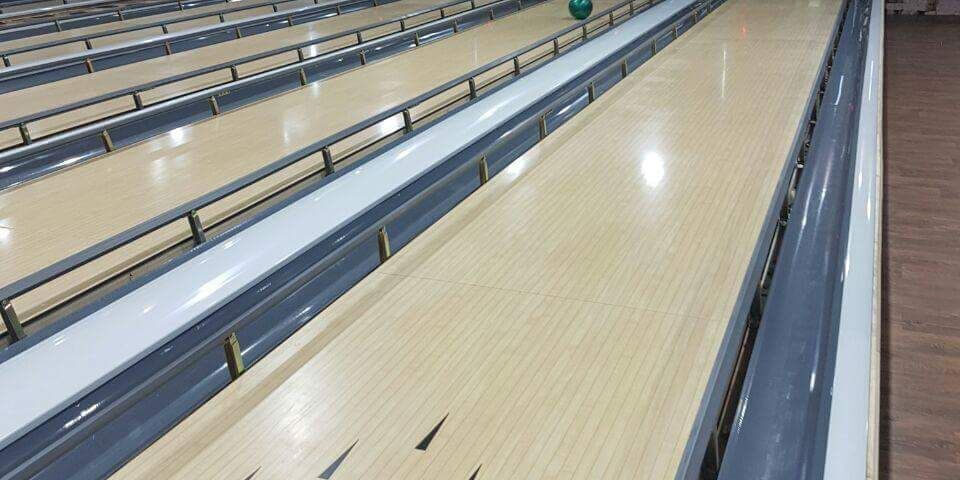
Wooden lanes are the original standard of professional bowling, used for decades in classic alleys and tournaments. Crafted from hard maple and pine, they deliver a natural ball reaction and sound unmatched by other materials.
Advantages:
Exceptional ball traction and traditional play feel
Natural sound that enhances player immersion
Easily repaired through sanding and resurfacing
Disadvantages:
Requires frequent oiling and resurfacing (every 18–24 months)
Sensitive to humidity and temperature fluctuations
Higher long-term maintenance budget
Wooden lanes remain ideal for heritage centers, competitive venues, or those emphasizing authenticity over automation.
🧱 Synthetic Lanes: Modern Durability and Efficiency
Synthetic lanes, typically made from HPL (High Pressure Laminate) or phenolic resin composites, dominate most modern installations today.
Advantages:
Up to 20 years of lifespan with minimal upkeep
Consistent surface smoothness and oil retention
Resistant to humidity, scratches, and warping
Uniform play conditions across multiple lanes
Disadvantages:
Slightly harder ball impact sound
Can require minor friction adjustments for competitive tournaments
Synthetic lanes are especially popular in family entertainment centers and high-traffic commercial alleys, offering longevity and lower operational costs.
To explore material and finish options, visit our Bowling Lanes Supplier page for wood and synthetic configurations suited to both casual and competitive play.
💡 Maintenance Budget Breakdown
Over a 10-year period, wood lanes can cost nearly 30–40% more to maintain due to resurfacing, oiling, and humidity control. Synthetic lanes only need regular cleaning and occasional reconditioning.
Here’s a simple comparison:
| Category | Wood Lane | Synthetic Lane |
|---|---|---|
| Lifespan | 10–15 years | 18–20 years |
| Annual Maintenance Cost | High | Low |
| Oil Consumption | 100% baseline | 65–70% baseline |
| Resurfacing Need | Every 2 years | Rarely |
| Noise Level | Softer | Moderate |
| Ideal Use | Professional / Classic Venues | Commercial / Family Centers |
Synthetic systems provide a faster return on investment for most operators, especially when combined with energy-efficient pinsetters and LED lighting systems.
🧩 Installation Considerations
Both materials require precise subfloor leveling and environmental control. For wooden lanes, humidity must remain between 40–50%, while synthetic lanes tolerate a broader range without expansion or contraction.
If your location experiences major temperature changes or heavy humidity, synthetic is the safer, lower-risk option.
Professional installers use interlocking modular panels that reduce setup time and make replacements easier.
For turnkey project execution, certified assembly, and integrated scoring options, visit our Bowling Equipment Factory homepage to learn about complete manufacturing-to-installation services.
🔇 Sound, Feel, and Player Experience
The ball-to-surface sound is another deciding factor.
Wooden lanes create a warm, deep tone preferred by traditionalists.
Synthetic lanes deliver a crisp, modern echo that suits digital arcades and family venues.
In blind player tests, over 70% of casual bowlers reported no noticeable performance difference between the two — showing that maintenance and consistency matter more than material choice for most customers.
🏁 Conclusion
When choosing between synthetic and wooden bowling lanes, the key is aligning your decision with your business goals.
Choose wood if you prioritize authenticity, prestige, and a classic atmosphere.
Choose synthetic if you want durability, uniform performance, and minimal upkeep.
Partnering with a bowling lane supplier experienced in both materials ensures you receive the right guidance for your budget, climate, and player needs — helping your lanes perform flawlessly for years to come.